
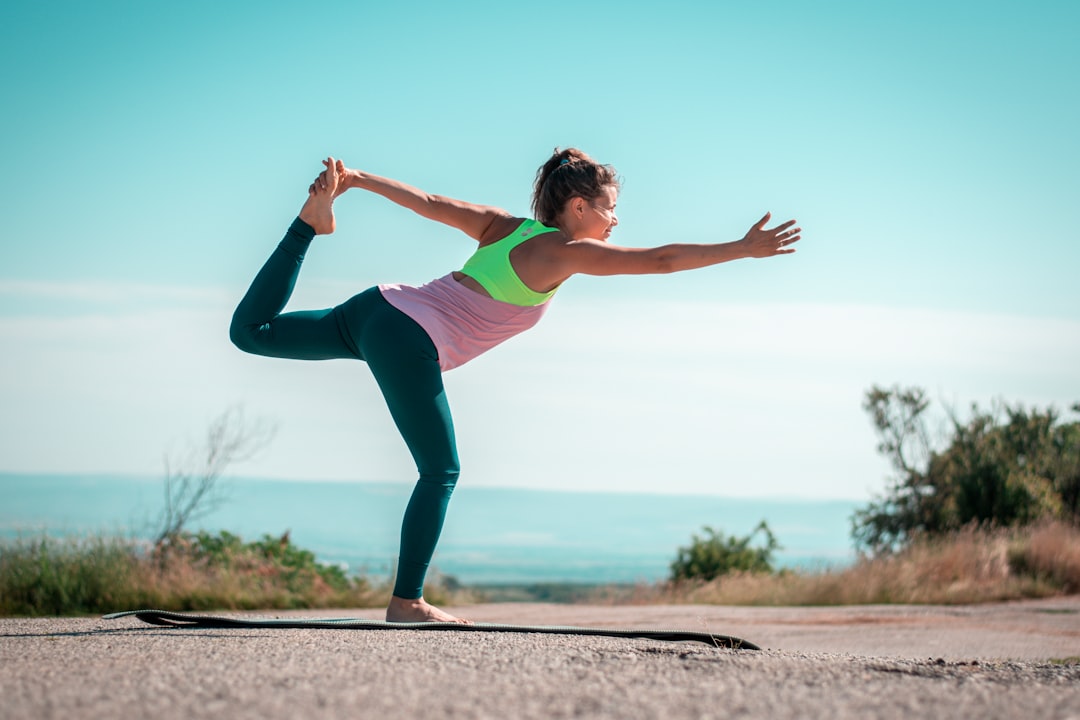
Balance Improvement: How Stability Training Changes the Game
Better balance supports everything from daily movement to athletic performance. If you run a business, you know how quick footwork or steady posture can affect energy, productivity, and confidence. Yet, many people find that their balance doesn’t improve much with standard workouts. The missing ingredient? Stability training.
Stability training uses exercises that challenge your body to maintain control in unstable situations. Think of standing on one leg, using a wobble board, or holding a plank on a stability ball. These moves force your muscles and nervous system to react fast and adapt—much more than traditional exercises like bench presses or stationary cycling.
Why does this matter? Because real-life balance needs quick, unpredictable reactions. Research and experience both show that stability training delivers faster, more noticeable balance improvements than classic gym routines. If you want your team or your clients to move better, avoid falls, and feel more agile, this approach offers a proven shortcut.
What Happens in Your Body During Stability Training
Stability training goes far beyond just working your muscles. It activates your body’s entire balance system, including the brain, nervous system, and core stabilizers. Here’s what happens:
For further reading, see Core Stability Training for Injury Prevention from the National Institutes of Health.
- Neuromuscular activation: Your brain sends rapid signals to muscles to correct your position instantly. This process sharpens your response time.
- Core engagement: Every stability move triggers your core—deep abdominal and back muscles—to keep you upright.
- Small muscle recruitment: Traditional exercises target large muscle groups. Stability training engages often-neglected stabilizer muscles in your hips, ankles, and shoulders.
- Proprioception training: Proprioception is your awareness of body position in space. It improves as you constantly make tiny adjustments to stay balanced.
Imagine standing on a BOSU ball for a single-leg squat. Your ankle muscles fire, your hips adjust, and your core locks in—all while your brain processes feedback from every joint. These micro-adjustments happen dozens of times each second, rewiring your body for real-world balance.
Clients at Studio Fitness often notice that after just a few sessions of this type of training, they’re quicker to recover from stumbles, feel steadier on stairs, and stand taller during presentations or long meetings. Stability training primes your entire system to respond, not just your muscles.
Traditional Exercise vs. Stability Training: Key Differences for Balance
Many people think any exercise will sharpen balance. The reality is that traditional workouts and stability training work your body in completely different ways, especially when it comes to fast balance gains.
- Movement type: Traditional exercises (like squats, leg presses, or cycling) are usually performed on stable surfaces with controlled, repeatable motions. Stability training (like single-leg balance or plank variations) uses unstable surfaces or positions.
- Muscle recruitment: Traditional moves emphasize large, prime mover muscles. Stability training forces smaller stabilizers and core muscles to activate constantly.
- Feedback demands: Stability moves require continuous feedback between your brain, nerves, and muscles. This accelerates learning and adaptation.
- Real-world relevance: Most real-life balance challenges—like walking on uneven ground, catching yourself from a slip, or reaching sideways—closely resemble stability training, not traditional gym exercises.
- Progression speed: Balance improves faster when you train under unpredictable, unstable conditions. Traditional routines often plateau early for balance development.
For example, a standard leg press strengthens your quads, but it does not require your body to stabilize or adjust on the fly. A single-leg Romanian deadlift or a lunge on a foam pad, on the other hand, fires up your balance system with every rep. The difference is clear in both speed and quality of results.
Why Stability Training Delivers Faster Results
You want to see progress—fast. Stability training works because it combines strength, coordination, and brainpower in every session. Here’s why the gains come quickly:
- High neural demand: Stability exercises overload your nervous system, not just your muscles. Your brain adapts quickly to these new demands, leading to faster improvements in balance and control.
- Frequent micro-adjustments: Every rep requires hundreds of tiny corrections. This repetition builds muscle memory and sharpens your body’s reflexes.
- Specificity: The body adapts most to what it practices. Stability training directly mimics the unpredictable challenges you face in daily life and business environments.
- Increased engagement: These exercises are rarely boring. They demand focus and presence, improving not only balance but also attention and mental sharpness.
One client at Studio Fitness went from using the wall for support during single-leg exercises to balancing easily in less than a month. That’s because stability training forces the nervous system and small stabilizer muscles to adapt at lightning speed. Traditional routines can’t match this pace because they lack unpredictability and neural demand.
If you want your team or clients to be more agile, resilient, and quick on their feet, stability training is the fastest route to get there.
Examples: Stability Exercises That Rapidly Improve Balance
Adding a few targeted stability exercises to your routine can deliver noticeable balance gains in weeks. Here are some effective options:
- Single-leg stand: Stand on one foot for 30–60 seconds, switch legs. Increase the challenge by closing your eyes or standing on a cushion.
- BOSU ball squats: Perform squats while standing on a BOSU ball (flat side down). This forces your core and ankle stabilizers to work overtime.
- Stability ball plank: Place your forearms on a stability ball and hold a plank. Try gentle circles with your arms to further challenge your stability.
- Lateral band walks: Use a resistance band around your ankles and step sideways, maintaining tension. This hones hip and core stability.
- Single-leg Romanian deadlift: Hinge forward from the hips while standing on one leg, then return to upright. This targets balance, core, and hip stability all at once.
- Foam pad lunges: Step onto a foam pad and perform a lunge. The unstable surface forces continuous adjustments.
Try incorporating two or three of these moves into your next workout. Notice how quickly your balance, coordination, and confidence improve—in and out of the gym.
The Science Behind Stability Training and Quick Balance Gains
What makes stability training so effective? The answer lies in how the body learns new skills. When you challenge your balance, you create what scientists call “motor learning”—a process where repeated practice forms new neural pathways. This means your nervous system gets better at sending and receiving balance signals, not just making your muscles stronger.
Research shows that unstable surface training leads to faster improvements in proprioception and joint stability compared to traditional weightlifting. One study found that participants who used balance boards improved their balance scores in half the time of those who did regular strength training.
Another key factor is that stability training increases “reactive balance”—your ability to recover quickly from slips or unexpected shifts. This skill is critical for preventing falls, especially in business environments where distractions are everywhere.
If you want your body to learn fast and adapt to real-world demands, stability training provides the ideal stimulus. The more you practice in unpredictable conditions, the faster your nervous system and muscles learn to respond automatically.
Who Benefits Most From Faster Balance Improvements
Stability training delivers benefits for nearly everyone, but some groups see especially quick results:
- Business owners and professionals: Better balance means more confidence during presentations, faster recovery from fatigue, and fewer injuries from slips or stumbles around the office.
- Athletes: Whether you play tennis, golf, or basketball, sharp balance gives you an edge in agility, speed, and injury prevention.
- Older adults: Improved balance reduces fall risk, preserves independence, and increases quality of life.
- Rehabilitation clients: Those recovering from injury rebuild stability and coordination quickly with targeted balance work.
- Fitness beginners: New exercisers often notice faster gains in confidence and body awareness from stability moves than from traditional routines.
- Anyone with a busy lifestyle: Short, focused balance sessions fit easily into packed schedules and deliver results you feel right away.
If you want to help your team, your clients, or yourself move more confidently and stay injury-free, stability training is a proven shortcut to better balance.
How to Incorporate Stability Training for Quicker Balance Progress
Ready to see faster results? Here’s how to work stability training into your schedule without overhauling your entire routine:
- Start simple: Add basic moves like single-leg stands or planks to your warm-up.
- Use unstable surfaces: Try BOSU balls, balance pads, or stability balls for familiar exercises.
- Progress gradually: Once you master a move, increase the challenge by closing your eyes, adding movement, or using resistance bands.
- Mix it in: Alternate stability exercises with traditional lifts for a balanced session.
- Stay consistent: Aim for 2–3 short sessions each week. Even 10 minutes can yield results.
- Track your progress: Record how long you can balance or how steady you feel. Celebrate small wins to stay motivated.
- Work with a coach: A personal trainer at Studio Fitness can customize stability training to fit your needs and goals, ensuring safe and effective progress.
If you’re short on time or new to balance work, focus on quality over quantity. Just a few targeted moves, done with attention and good form, will bring noticeable improvements—often within weeks.
Stability Training at Studio Fitness: Build Balance That Lasts
At Studio Fitness in Santa Rosa, we help business owners and professionals develop balance that supports both work and life. Our trainers use science-backed stability training methods tailored to your needs, whether you want to move more confidently at work or stay active for years to come.
Stability training isn’t just for athletes or rehab. It’s for anyone who wants to move better, avoid injuries, and excel in every area of life. Our team will guide you through the right progressions, from beginner to advanced, so you see results quickly and safely.
If you’re ready to build stronger balance, sharper focus, and a more resilient body, call Studio Fitness at 707-235-6426 to schedule your first session. Discover how stability training can change the way you move—at work, at home, and everywhere in between.
Frequently Asked Questions
What is stability training and how is it different from regular exercise?
Stability training involves exercises that challenge your balance, like standing on one leg, using a wobble board, or doing planks on a stability ball. Unlike traditional workouts, these moves force your muscles and nervous system to quickly adapt to unpredictable changes, which leads to faster balance improvements.
How often should I do stability training to see results?
For noticeable balance improvements, try to add stability exercises to your routine 2-3 times a week. Even just a few minutes per session—like single-leg stands or stability ball planks—can make a big difference over a few weeks.
What are some easy stability exercises I can try at home?
Start with simple moves like standing on one leg, doing side lunges, or holding a plank with your hands on a pillow. As you get stronger, you can progress to using a balance disc or stability ball for added challenge.
Can stability training help prevent falls or injuries?
Yes, stability training helps your body react quickly and stay steady in unpredictable situations, which can lower your risk of falls and related injuries. This is especially important for older adults or anyone who wants to stay agile in daily life.
Where can I try stability training with expert guidance in Santa Rosa?
Studio Fitness offers personal training sessions that include stability exercises tailored to your needs. Call 707-235-6426 to book a session or ask about our group classes focused on balance and core strength.