
The Hidden Connection Between Mobility and Your Independence
Most people don’t realize how mobility affects independence until something changes. You might think you’ll always be able to walk up stairs, carry groceries, or play with your kids. But the reality is, independence is built on a foundation of movement. When you lose mobility—even a little—you start to lose your ability to do the things that make life enjoyable and self-sufficient.
Imagine not being able to get out of a chair without help. Or struggling to reach for something on a high shelf. These aren’t just inconveniences. These are signs that your independence may be slipping. At Studio Fitness, we see these challenges all the time among busy business owners and professionals in Santa Rosa. A lack of mobility sneaks up on you, quietly changing how you live, work, and interact with others.
Understanding how mobility affects independence is key for anyone who wants to stay active and in control, both at work and at home. By seeing the connection early, you can take simple steps to protect your freedom.
For further reading, see Maintaining Mobility, Maintaining Independence from njaaw.org.
How Mobility Affects Independence: What Changes First
Mobility isn’t just about how fast you can run or how much you can lift. It’s the ability to move your body freely and safely in everyday situations. When this starts to decline, small changes appear before you notice big problems. Most people first feel it as stiffness in the morning or fatigue during regular tasks. Maybe your knees ache after sitting at your desk, or you avoid bending down to tie your shoes.
For business owners, these subtle shifts can have a direct impact on your work. You might find it harder to stand during presentations or feel tired after walking through your warehouse. These aren’t just physical issues—they chip away at your confidence and productivity.
Common early changes include:
- Reduced range of motion in joints, making movements less fluid
- Tight hamstrings or hips from long hours of sitting
- Balance issues when walking on uneven ground
- Feeling winded after climbing stairs or walking quickly
- Needing extra support to get up from low chairs or the floor
Once these issues start, you may unconsciously change your behavior. You take fewer walks, avoid carrying things, or depend on others for simple tasks. This slow retreat is how mobility affects independence, often before you realize what’s happening.
Daily Tasks That Become Harder When Mobility Slips
Mobility loss doesn’t just impact athletic performance—it touches nearly every part of your routine. Here are some common daily activities that quietly get harder when your mobility declines:
- Getting in and out of bed or chairs: Stiffness can make this a struggle, especially after long periods of sitting or sleeping.
- Climbing stairs: Weak legs or poor balance can turn stairs into an obstacle, sometimes leading you to avoid certain areas of your business or home.
- Carrying groceries or supplies: Reduced grip strength or poor posture makes lifting and carrying awkward or unsafe.
- Driving and getting in/out of a car: Limited hip or back mobility can make this uncomfortable or painful.
- Bending or reaching for objects: Simple acts like picking up a dropped pen or reaching a high shelf become difficult or risky.
- Personal care tasks: Dressing, bathing, and putting on shoes all require good mobility and balance.
- Household chores: Vacuuming, mopping, or gardening can become exhausting or even dangerous if your movement is limited.
If you find yourself delegating these tasks or avoiding them, you may be seeing the early signs of a loss of independence.
The Quiet Toll on Your Confidence and Social Life
Losing mobility doesn’t just affect your body—it changes how you view yourself. When you start to struggle with basic tasks, your confidence can drop. You may worry about falling or embarrassing yourself in front of clients or colleagues. This anxiety often leads you to withdraw from social situations or avoid activities you used to enjoy.
For example, if you’re hesitant to join colleagues for a lunch outing because you’re worried about getting up from a low restaurant chair, you’re not alone. Many business owners silently opt out of networking events, conferences, or community meetings due to mobility challenges. Over time, this can shrink your social circle and leave you feeling isolated.
Social withdrawal is a hidden cost of mobility loss. It limits your business opportunities and can also affect your mood, leading to less engagement with family, friends, and your professional network. The cycle is subtle but real: less movement leads to less confidence, which leads to less participation in the things that matter most.
Health Complications That Follow Loss of Mobility
When mobility slips, it rarely stops at making daily tasks harder. Physical inactivity leads to a cascade of health problems that further threaten your independence. Here’s what you might face if you don’t address mobility issues early:
- Weight gain: Less movement means fewer calories burned, leading to increased body fat and related health risks.
- Muscle loss (sarcopenia): Without regular use, muscles weaken and shrink, making movement even harder.
- Joint pain and stiffness: Inactivity accelerates joint degeneration, especially in the knees, hips, and spine.
- Increased risk of falls: Poor balance and weak muscles make falls more likely, which can lead to fractures or long-term disability.
- Cardiovascular issues: Reduced activity increases your risk of heart disease, high blood pressure, and poor circulation.
- Diabetes risk: Staying sedentary is linked to insulin resistance and a higher chance of developing type 2 diabetes.
- Osteoporosis: Lack of weight-bearing activity weakens bones, increasing fracture risk.
- Depression and anxiety: Physical inactivity is closely tied to mental health struggles, creating a downward spiral.
These complications don’t just affect your comfort—they are real threats to your long-term independence and ability to run your business or enjoy life in Santa Rosa.
The Emotional Strain: Frustration, Worry, and Loss of Control
Mobility loss brings a unique kind of emotional strain. When you can’t rely on your body the way you used to, frustration grows. You might feel angry at yourself for needing help, or worried about what the future holds. For many, the fear of becoming a burden is the hardest part.
Business owners often struggle with the loss of control that comes with limited mobility. You’re used to making decisions and leading others. Suddenly, you’re the one needing assistance—with tasks as simple as moving a box or standing during a team meeting. This shift can be deeply unsettling.
Emotional strain shows up as:
- Short temper or irritability with loved ones or staff
- Increased anxiety about injuries or falls
- Low mood or disinterest in activities you once loved
- Embarrassment about physical limitations
Recognizing these feelings is the first step. They’re not a sign of weakness—they’re a signal that it’s time to take action to protect your independence and well-being.
Warning Signs Your Independence Is at Risk
If you’re wondering whether your independence is truly at risk, look for these common warning signs. Spotting them early allows you to make changes before bigger problems develop:
- Difficulty getting up from chairs without using your arms for support
- Struggling to carry groceries or business supplies
- Feeling unsteady on your feet, especially on uneven surfaces
- Relying on handrails or walls to steady yourself when walking
- Avoiding stairs, curbs, or uneven ground
- Needing more time to complete simple daily activities
- Withdrawing from social or business events due to mobility concerns
- Noticing increased aches, pains, or joint stiffness after periods of inactivity
If these sound familiar, it’s time to address how mobility affects independence in your life. Early action is always easier and more effective than waiting for a crisis.
Simple Steps to Reclaim Movement and Daily Freedom
Improving mobility doesn’t require dramatic changes. Small, targeted steps can restore your movement and help you regain control over your daily routine. Here are some practical actions you can start today:
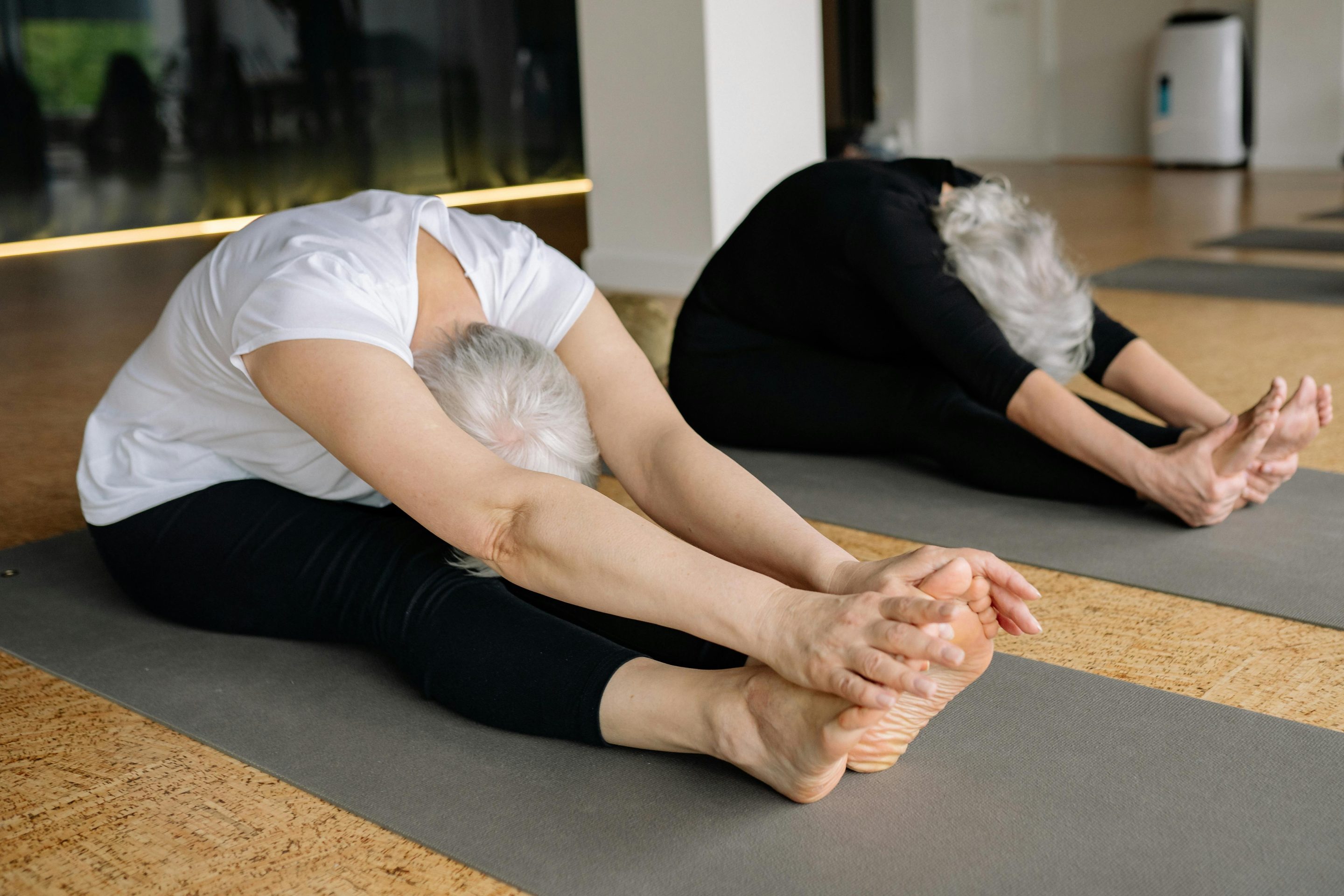
- Stretch regularly: Gentle daily stretching keeps joints and muscles flexible. Focus on hips, hamstrings, shoulders, and back.
- Integrate movement into your day: Take short walking breaks between meetings or while on the phone.
- Strengthen your core and legs: Simple exercises like squats, lunges, and planks improve stability and power for daily tasks.
- Use mobility tools: Foam rollers, massage balls, or stretching straps can help release tight muscles and improve range of motion.
- Work with a professional: A personal trainer can design a safe, effective mobility program tailored to your needs and schedule.
- Set reminders: Use your phone or calendar to prompt movement every hour, preventing stiffness from long periods of sitting.
- Practice balance: Stand on one foot while brushing your teeth or waiting for coffee to build balance and reduce fall risk.
- Stay hydrated and eat well: Good nutrition and water support joint health and muscle recovery.
At Studio Fitness, we help Santa Rosa professionals fit these steps naturally into their lives, making it easier to stay consistent and see results.
Finding the Right Support in Santa Rosa to Stay Independent
Taking control of your mobility journey is easier with the right support. Look for personal trainers or gyms that specialize in functional movement and understand how mobility affects independence. The right coach will assess your movement, listen to your daily challenges, and build a plan that fits your lifestyle—not just your fitness goals.
For business owners, time is valuable. Working with a boutique gym like Studio Fitness means your sessions are private, personal, and efficient. Our trainers in Santa Rosa understand the unique demands you face, from long hours at a desk to physically demanding workdays. We help you identify barriers to movement and break them down—so you can get back to living and leading with confidence.
You don’t have to accept mobility loss as a natural part of aging or a busy career. Small changes, expert guidance, and a supportive environment can help you reclaim your daily freedom and independence.
If you’re ready to see what’s possible, call Studio Fitness at 707-235-6426 today. Let’s work together to keep you moving, confident, and independent—at work, at home, and everywhere life takes you.
Frequently Asked Questions
How does reduced mobility impact my ability to live independently?
Reduced mobility can make everyday tasks—like getting out of a chair, climbing stairs, or carrying groceries—harder or even unsafe to do alone. Over time, this limits your ability to take care of yourself and can make you rely more on others for help.
What are early signs that my mobility is affecting my independence?
Early signs include stiffness in the morning, fatigue during simple activities, or difficulty reaching or bending. If you notice these changes, it's a good signal to start taking steps to maintain or improve your mobility.
Can improving mobility really help me stay independent as I get older?
Yes! Keeping your joints flexible and muscles strong lets you continue doing daily activities safely and confidently. Regular movement and targeted exercises can help prevent loss of independence.
What exercises can I do to improve my mobility and independence?
Focus on exercises that build strength, flexibility, and balance—like squats, lunges, and gentle stretching. Personal trainers at Studio Fitness in Santa Rosa can design a program just for your needs; call 707-235-6426 to get started.
How can Studio Fitness help me maintain my mobility and independence?
Studio Fitness offers personalized training sessions that target mobility, strength, and balance, helping you stay active and independent. Their trainers can assess your current level and create a plan to keep your body moving with confidence.