
Understanding Joint Aging and Exercise
When it comes to maintaining a youthful body, your joints play a crucial role. But did you know that some exercises can actually accelerate joint aging? Understanding why certain exercises damage joints is essential for preserving your mobility and well-being. This article explores the reasons why some exercises age your joints faster than others and how you can avoid this unwanted wear and tear.
Joints are the connections between bones that allow for movement. They are surrounded by cartilage, a flexible tissue that cushions and protects the ends of bones. Over time, this cartilage can wear down, leading to joint pain and stiffness. This process can be accelerated by certain types of physical activities.
Many people are surprised to learn that not all exercises are created equal when it comes to joint health. While staying active is important, understanding which exercises might be putting unnecessary stress on your joints can help you make smarter decisions for your fitness routine.
For further reading, see The 6 Worst Exercises for Your Knees from stvincents.org.
High-Impact Exercises and Joint Stress
High-impact exercises are known for their intensity and ability to boost cardiovascular fitness. However, they can also place significant stress on your joints. Exercises that involve running, jumping, or sudden directional changes fall into this category. The repeated pounding from activities like running can lead to faster joint degradation, particularly if you aren’t using proper form or footwear.
For instance, runners often experience knee pain due to the repetitive impact on the knee joints. This is because each step during a run can exert a force of two to three times your body weight on your knees. Over time, this can lead to conditions such as runner’s knee or even osteoarthritis.
- Running: Although great for cardiovascular health, it can be harsh on knees and hips.
- Basketball: The constant jumping and rapid changes in direction can stress knees and ankles.
- Box Jumps: The impact from jumping and landing can be tough on your knees and lower back.
At Studio Fitness Santa Rosa, we encourage personal training to help tailor a program that meets your fitness goals while protecting your joints. Our trainers can guide you in selecting exercises that minimize joint stress while maximizing your health benefits.
Repetitive Movements and Joint Wear
Repetitive movements can also accelerate joint aging. This occurs because repeatedly performing the same motion can lead to overuse injuries. For example, cyclists often experience knee pain from the repetitive pedaling motion, especially if their bike is not properly adjusted to their body.
Similarly, swimmers may encounter shoulder issues due to the constant overhead motion, which can lead to rotator cuff injuries. The same goes for tennis players who frequently perform overhead serves. Repetitive strain can lead to inflammation and eventually cause joint degeneration if not addressed.
- Cycling: Poor bike setup can lead to knee strain.
- Swimming: Overhead strokes can impact shoulder joints over time.
- Tennis: Repeated serves can cause shoulder stress.
For those concerned with exercises that damage joints, to combat the effects of repetitive movements, incorporating mobility and balance training can be beneficial. This type of training helps improve joint function and reduce the risk of injury by enhancing flexibility and strength in supporting muscles.
Improper Form and Its Impact on Joints
Using improper form during exercises is another common cause of joint damage. Poor technique can put undue stress on your joints, leading to wear and tear. For example, performing squats with incorrect form can strain the knees and lower back.
Weightlifting is another area where form is critical. Lifting weights with improper technique can place excessive pressure on joints such as the shoulders, elbows, and wrists. This not only increases the risk of injury but also accelerates joint aging.
It’s crucial to learn the correct techniques for exercises to protect your joints. At Studio Fitness Santa Rosa, our personal training benefits include teaching proper form to help you build muscle safely and effectively, reducing the risk of joint damage.
Exercises That Damage Joints: Key Culprits
While exercise is vital for maintaining a healthy lifestyle, certain exercises are notorious for causing joint problems. Here are some key culprits:
- Running: High impact on knees and hips.
- Jumping Jacks: Stress on knees from repetitive jumping.
- Burpees: High-impact movement can strain knees and lower back.
- Deep Squats: Can put too much pressure on knees if performed incorrectly.
- Box Jumps: Impact from landing can be hard on joints.
Awareness of these exercises and their potential impact on your joints is the first step towards making healthier fitness choices. By modifying these exercises or opting for lower-impact alternatives, you can protect your joints while still achieving your fitness goals.
The Role of Weight and Load on Joints
The weight or load you place on your body during exercise also plays a significant role in joint health. Heavy lifting, if not done correctly, can lead to joint strain and injury. This is particularly important for exercises involving the knees, hips, and shoulders.
When lifting heavy weights, it’s essential to maintain proper alignment and control. This helps distribute the load evenly across your muscles and joints, preventing unnecessary stress. For example, deadlifts should be performed with a straight back and engaged core to protect your lower back and knees.
Our super slow strength training method at Studio Fitness Santa Rosa can be particularly effective in managing the load on joints. This technique involves performing lifts at a slower tempo, which increases muscle engagement and reduces the risk of injury.
Alternatives to Joint-Damaging Exercises
For those concerned with exercises that damage joints, if you’re concerned about the impact of certain exercises on your joints, consider these alternatives that are gentler yet effective:
- Swimming: Provides a full-body workout with minimal joint impact.
- Cycling: Low-impact on knees, especially when adjusted properly.
- Elliptical Trainer: Offers a cardio workout without the pounding impact on joints.
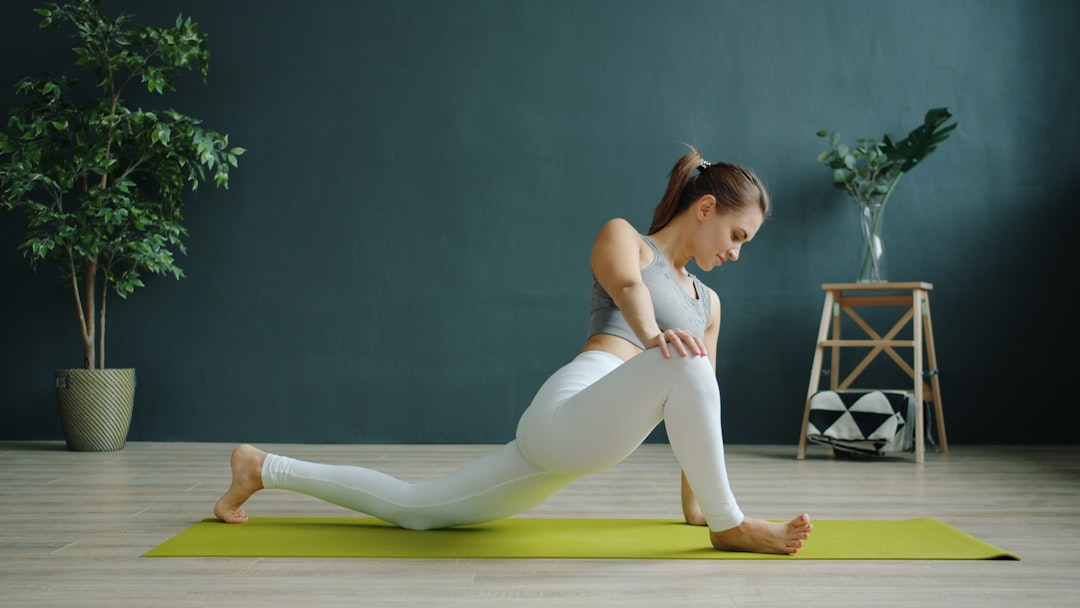
- Yoga: Enhances flexibility and strengthens joints without high impact.
- Pilates: Focuses on core strength and joint stability.
Incorporating these alternatives into your routine can help maintain joint health while still providing the benefits of regular exercise. At Studio Fitness Santa Rosa, we offer recovery and specialized therapies to help support your joint health journey.
Preventive Measures to Protect Your Joints
Protecting your joints involves more than just choosing the right exercises. Here are some preventive measures you can take:
- Warm Up: Always start with a proper warm-up to prepare your joints for activity.
- Proper Footwear: Wear supportive shoes to reduce impact on joints.
- Strengthening Exercises: Focus on strengthening muscles around joints to provide better support.
- Hydration: Keep your joints lubricated by staying hydrated.
- Rest and Recovery: Allow time for your joints to recover between workouts.
These measures can significantly reduce the risk of joint damage and keep you active for longer. Our recovery vibration therapy at Studio Fitness helps enhance circulation and recovery, providing additional support for your joints.
How to Modify Workouts for Joint Health
Modifying your workouts can make a big difference in maintaining joint health. Here’s how you can adjust your routine:
First, focus on form and technique. Whether you’re lifting weights or doing cardio, ensure you’re using the correct form to minimize stress on your joints. Consider seeking guidance from a professional for private training sessions to master your technique.
Secondly, incorporate cross-training into your routine. This involves mixing different types of exercises to avoid repetitive strain on specific joints. For instance, alternate between cycling and swimming to provide variety while easing joint pressure.
Lastly, listen to your body. If you experience joint pain during an exercise, it’s a signal to stop and reassess. Pain is your body’s way of telling you something isn’t right, and ignoring it can lead to further damage.
By integrating these modifications, you can enjoy a comprehensive fitness routine that supports your joint health. If you need personalized advice or a fitness plan tailored to your needs, contact Studio Fitness Santa Rosa at 707-235-6426. We’re here to help you stay strong and active at any age.
Frequently Asked Questions
What types of exercises are most likely to damage my joints?
High-impact exercises such as running, jumping, and activities involving sudden directional changes are most likely to damage your joints. To protect your joints, consider incorporating low-impact exercises like swimming or cycling into your routine.
How can I modify high-impact exercises to be easier on my joints?
You can modify high-impact exercises by using proper form, wearing supportive footwear, and incorporating breaks to reduce the stress on your joints. Additionally, reducing the frequency and intensity of these exercises can help minimize joint wear.
Are there specific signs that an exercise is harming my joints?
Signs that an exercise may be harming your joints include persistent pain, stiffness, or swelling after workouts. If you notice these symptoms, it might be time to adjust your exercise routine or consult a fitness professional.
Can certain exercises actually improve joint health?
Yes, exercises such as swimming, yoga, and strength training can improve joint health by enhancing flexibility and building muscle support around the joints. These activities help reduce stress on the joints and increase overall mobility.
Where can I get advice on joint-friendly exercises in Santa Rosa, CA?
You can visit Studio Fitness in Santa Rosa, CA, or call them at 707-235-6426 for personalized advice on joint-friendly exercises. Their personal trainers can help tailor a fitness plan that supports your joint health.