
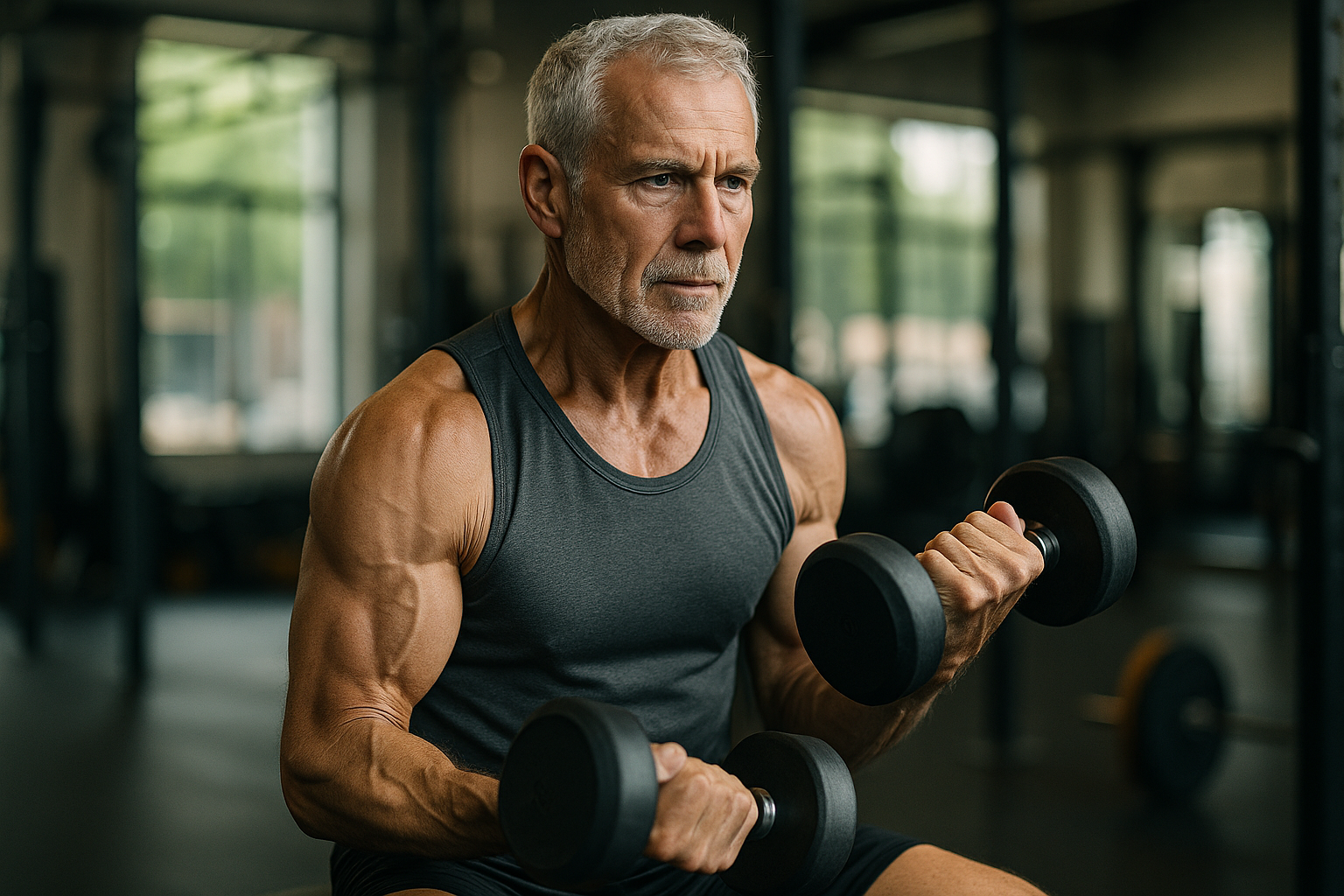
What is Super Slow Strength Training?
Super slow strength training might be your best kept secret for boosting your fitness routine. It involves performing resistance exercises at a much slower pace than traditional workouts. The focus is on controlling the movement to maximize tension on the muscles, usually taking about 10 seconds to lift the weight and another 10 seconds to lower it. This method can significantly enhance your strength and muscle growth while minimizing the risk of injury. By dedicating more time to each repetition, you engage the muscle fibers more thoroughly, leading to more efficient workouts.
Imagine doing a push-up. Normally, you might lower yourself in a couple of seconds and push back up just as quickly. In super slow strength training, you would take 10 seconds to lower your body and another 10 to raise it back up. This slow pace ensures that your muscles are working hard the entire time, which helps in building muscle safely and effectively. This style of training is particularly appealing to those who want to maximize their results without spending hours in the gym.
The Science Behind Super Slow Strength Training Benefits
The benefits of slow strength training are backed by science. When you perform exercises slowly, your muscles experience time under tension, an important factor for muscle growth. This prolonged tension causes a higher degree of muscle fiber activation, which can lead to greater muscle hypertrophy, or growth, over time.
Research has shown that super slow training can result in about a 50% greater increase in strength compared to traditional speed training. This is because the slower pace allows for better control, ensuring that the correct muscles are targeted and that the risk of injury is minimized. Moreover, the increased time under tension can enhance metabolic response, leading to improved muscle tone and endurance.
For example, a study published in the Journal of Sports Medicine found that participants who engaged in slow strength training experienced significant improvements in their strength and muscle size compared to those using typical training speeds. This method is particularly beneficial for those new to strength training or those recovering from injuries, as it allows for a safer workout environment.
Why Super Slow Strength Training Stands Out
Super slow strength training stands out for several reasons, making it an attractive option for many fitness enthusiasts. One key advantage is the focus on form and control. By moving slowly, you can concentrate on each movement, ensuring you perform exercises with proper form, which is crucial for reducing the risk of injury and maximizing results.
Additionally, this method is highly efficient. Because each exercise involves a greater time under tension, fewer repetitions and sets are needed to achieve the desired results. This efficiency makes it a perfect fit for those with busy schedules who still want to reap the benefits of strength training.
Another standout feature is its inclusivity. Super slow strength training can be adapted to suit various fitness levels and goals. Whether you’re an athlete looking to enhance performance or a senior aiming to improve mobility and maintain strength, this approach can be tailored to meet your needs. At Studio Fitness Santa Rosa, we incorporate this method into our personal training sessions to help you achieve your fitness goals effectively.
How Slow Strength Training Boosts Muscle Gains
For those concerned with slow strength training benefits, when it comes to muscle gains, slow strength training offers unique benefits. The key lies in its ability to maximize muscle fiber recruitment. By performing exercises at a slower pace, you engage more muscle fibers throughout the entire range of motion, which can lead to greater muscle growth over time.
For further reading, see Go slower for strength training gains from health.harvard.edu.
In traditional strength training, momentum can sometimes take over, reducing the effectiveness of the exercise. However, with slow strength training, momentum is minimized, and every part of the movement requires effort, ensuring that you are continuously challenging your muscles.
- Increased muscle activation: Slow movements ensure that all muscle fibers are engaged, leading to enhanced muscle growth.
- Improved muscle endurance: The prolonged tension helps build endurance, allowing your muscles to perform better over time.
- Enhanced neuromuscular connection: The slow pace allows you to focus on the mind-muscle connection, improving control and effectiveness.
As a result, you can expect to see improvements in muscle size and strength, making slow strength training an excellent choice for those looking to build muscle safely and effectively.
Slow Strength Training for Injury Prevention
One of the most significant advantages of slow strength training is its potential for injury prevention. By focusing on controlled, slow movements, you can reduce the risk of common injuries associated with faster-paced workouts.
The slow pace allows you to pay close attention to your body’s signals and maintain proper form throughout each exercise. This is especially important for individuals who are new to strength training or those recovering from injuries, as it minimizes the risk of overloading joints and muscles.
- Improved form: The slower movements give you time to perfect your form, reducing the likelihood of injuries caused by incorrect technique.
- Reduced joint stress: Slow strength training places less stress on the joints, making it a safer option for those with joint concerns.
- Enhanced muscle balance: By engaging all muscle fibers, you can improve muscle balance and reduce the risk of imbalances that lead to injuries.
At Studio Fitness Santa Rosa, our trainers incorporate slow strength training into our strength training programs to help clients safely build strength and improve their overall fitness while minimizing the risk of injury.
Slow Strength Training Benefits for Seniors
Slow strength training is particularly beneficial for seniors, offering a safe and effective way to maintain strength and mobility as they age. The controlled pace allows seniors to engage in strength training without the risk of injury, making it an ideal option for those looking to improve senior mobility and maintain independence.
As we age, maintaining muscle mass is crucial for overall health and quality of life. Slow strength training helps seniors build muscle safely, improving balance, coordination, and functional strength. This can lead to a decreased risk of falls and enhanced daily living activities.
- Improved balance: Slow movements help enhance balance and coordination, reducing the risk of falls.
- Increased bone density: Resistance training can help improve bone density, which is especially important for seniors to prevent osteoporosis.
- Enhanced joint health: The slow pace reduces joint stress, making it a suitable option for seniors with arthritis or joint concerns.
At Studio Fitness Santa Rosa, our senior fitness training programs incorporate slow strength training to help older adults stay active and healthy, ensuring they can enjoy life to the fullest.
Incorporating Slow Strength Training Into Your Routine
Incorporating slow strength training into your routine can be simple and highly beneficial. Follow these steps to get started:
- Start with a warm-up: Begin with a light warm-up to prepare your muscles and joints for the workout ahead.
- Select appropriate weights: Choose weights that allow you to perform exercises slowly without compromising form.
- Focus on form: Maintain proper form throughout each exercise to ensure you are targeting the correct muscles.
- Control your pace: Take approximately 10 seconds for both lifting and lowering phases of each movement.
- Monitor your progress: Keep track of your workouts to see improvements in strength and endurance over time.
By incorporating super slow strength training into your routine, you can experience the personal training benefits of improved muscle growth, enhanced endurance, and reduced risk of injury. At Studio Fitness Santa Rosa, our personal training sessions can guide you through this process, ensuring you achieve your fitness goals safely and effectively.
Common Misconceptions About Super Slow Training
Despite its benefits, there are several misconceptions about super slow training that can deter people from trying it. Understanding these misconceptions can help you make informed decisions about your fitness routine.
One common misconception is that slow strength training is only for beginners. While it is indeed excellent for those new to exercise, it is also highly effective for advanced athletes looking to enhance their strength and muscle growth. The controlled pace allows for precise muscle engagement, which is beneficial at all fitness levels.
Another misconception is that slow training doesn’t provide a cardiovascular workout. While the primary focus is on strength, the prolonged tension and intensity can elevate your heart rate, offering cardiovascular benefits as well. Additionally, some believe that slow training is time-consuming. However, the efficiency of the workout means you can achieve significant results in shorter sessions compared to traditional workouts.
Testimonials: Success Stories from Super Slow Training
Real-life success stories highlight the impact of super slow training. Take Sarah, a 55-year-old who struggled with joint pain and mobility issues. After incorporating slow strength training into her routine at Studio Fitness Santa Rosa, she noticed a significant improvement in her strength and mobility, allowing her to enjoy activities she once found challenging.
Another client, Tom, in his 60s, had been dealing with muscle imbalances and back pain. Through personalized slow strength training sessions, he not only improved his posture but also gained the confidence to participate in activities like hiking and biking.
These stories demonstrate the transformative power of super slow training. Whether you’re looking to build strength, improve mobility, or enhance your overall fitness, slow strength training can be a valuable addition to your routine.
Experience the benefits of super slow strength training for yourself. Schedule a gym tour and free fitness evaluation with Studio Fitness Santa Rosa today by calling 707-235-6426. Let us help you unlock your fitness potential!
Frequently Asked Questions
What are the benefits of super slow strength training?
Super slow strength training increases muscle tension, which enhances muscle growth and strength. It also reduces the risk of injury by focusing on controlled movements. This method is efficient, providing effective workouts without needing long gym sessions.
How does slow strength training help with muscle growth?
Slow strength training increases time under tension for your muscles, leading to higher muscle fiber activation. This increased activation can result in greater muscle hypertrophy over time, making your workouts more effective.
Is super slow strength training suitable for beginners?
Yes, super slow strength training is suitable for beginners as it emphasizes control and form, reducing the risk of injury. It's a great way to build a solid strength foundation while minimizing strain.
How often should I do super slow strength training to see results?
For optimal results, aim to incorporate super slow strength training into your routine 2-3 times per week. Consistency is key, so make sure to give your muscles time to recover between sessions.
Where can I try super slow strength training in Santa Rosa, CA?
You can experience super slow strength training at Studio Fitness, a boutique gym offering personal training in Santa Rosa, CA. Call 707-235-6426 to schedule a session and see how it can enhance your fitness routine.