
Understanding Balance: More Than Just Stability
Balance issues are commonly associated with the fear of falling, but the real story behind them is more complex. Balance involves the intricate coordination between various systems in your body, including but not limited to the inner ear, vision, and musculoskeletal systems. When one of these systems malfunctions, it can lead to balance problems. If you've ever experienced moments where you felt unsteady or as if the ground was shifting beneath you, it might have stemmed from causes of balance problems beyond the simple fear of falling. Balance issues can result from numerous factors, each affecting your stability in different ways. While falls are a visible outcome, the underlying causes can range from medical conditions to lifestyle choices. Understanding these causes allows for better management and prevention of balance-related incidents. This comprehensive look at the factors contributing to balance issues will help you identify potential problems and seek appropriate solutions. For further reading, see Balance problems from the Mayo Clinic.How Inner Ear Issues Affect Balance
The inner ear plays a crucial role in maintaining balance. It contains structures like the semicircular canals and otolith organs that sense head movements and position. When these structures are disrupted, it can lead to dizziness, vertigo, and a sense of imbalance. Conditions such as Ménière's disease, vestibular neuritis, or benign paroxysmal positional vertigo (BPPV) are common inner ear problems that can cause balance issues. For example, BPPV occurs when small calcium crystals in the inner ear become dislodged, leading to brief episodes of dizziness that can be triggered by head movements. Similarly, vestibular neuritis, an inflammation of the inner ear, can cause sudden and severe dizziness. These conditions highlight how integral the inner ear is to balance, showing that balance problems are about more than just falling. Working with healthcare professionals to address these issues is crucial. Treatments may include physical therapy exercises designed to improve mobility and balance training, which can significantly reduce symptoms and improve quality of life.Neurological Disorders and Their Impact on Balance
Neurological disorders are another major cause of balance problems. Disorders such as Parkinson's disease, multiple sclerosis (MS), and stroke can severely affect your balance. These conditions disrupt the brain's ability to process information from the body and the environment, leading to coordination issues and imbalance. Parkinson's disease, for instance, affects movement and control, often causing tremors and stiffness that can lead to balance challenges. Similarly, MS can cause lesions in the brain that disrupt nerve signals, affecting balance. A stroke can damage areas of the brain responsible for balance and coordination, leading to sudden and severe balance problems. For those concerned with causes of balance problems, addressing balance issues in the context of neurological disorders often involves a comprehensive approach. This might include medication, physical therapy for balance and mobility, and specialized therapies like recovery vibration therapy to enhance muscle function and improve overall stability.Medications: A Hidden Cause of Balance Problems
Medications are a less obvious but significant cause of balance problems. Many drugs can affect your sense of balance, especially in seniors. Common culprits include blood pressure medications, sedatives, and certain antidepressants. These medications can cause dizziness or drowsiness, increasing the risk of balance issues.- Blood Pressure Medications: These can lower blood pressure too much, leading to dizziness upon standing.
- Sedatives: These drugs can slow down brain activity, leading to drowsiness and impaired coordination.
- Antidepressants: Some can cause side effects like dizziness, affecting balance.
The Role of Musculoskeletal Health in Balance
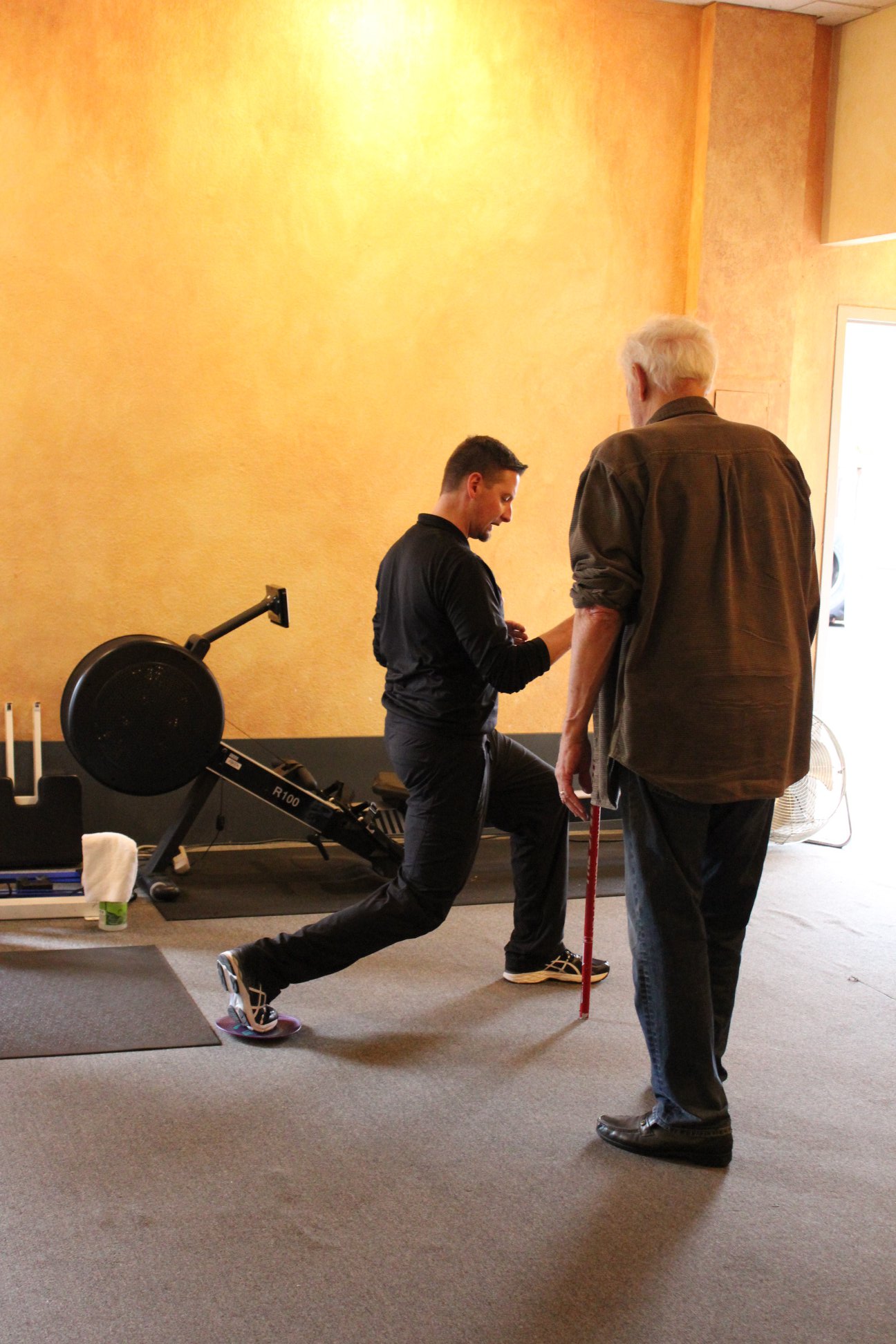
Musculoskeletal health directly influences your balance. Your muscles and joints work together to support movement and stability. When these systems are weakened, either through injury or age-related changes, balance can be compromised. Conditions like arthritis can lead to joint stiffness and pain, affecting your ability to move smoothly and maintain balance. Similarly, muscle atrophy or weakness due to inactivity can make it difficult to stabilize your body during movement. Engaging in strength training for seniors is crucial to maintaining musculoskeletal health and improving balance. At Studio Fitness, our mobility and balance training programs are designed to strengthen these systems, helping clients maintain independence and prevent falls. By focusing on exercises that enhance muscle strength and joint flexibility, you can significantly improve your balance and overall mobility.Psychological Factors Contributing to Balance Issues
Psychological factors can also play a role in balance issues. Anxiety, depression, and stress can affect your sense of balance, often exacerbating physical symptoms. The fear of falling itself can lead to a cycle of anxiety and avoidance, further impacting your ability to maintain balance. For those concerned with causes of balance problems, anxiety can cause hyper-awareness of movements and increased muscle tension, both of which can disrupt your natural balance. Depression might lead to a lack of motivation to stay active, weakening the muscles necessary for balance. Addressing these psychological factors is essential for managing balance problems effectively. Incorporating balance and mobility for seniors into your routine, along with mindfulness practices or therapy, can help address these issues. Engaging in regular physical activity can also boost mental health, reducing anxiety and improving confidence in your ability to move safely.Environmental and Lifestyle Influences on Balance
Environmental and lifestyle factors contribute significantly to balance issues. Cluttered living spaces, poor lighting, and uneven surfaces can increase the risk of falls. Lifestyle choices such as insufficient physical activity or poor dietary habits can also weaken the body, making it more prone to balance problems.- Home Environment: Ensuring clear pathways, adequate lighting, and secure handrails can reduce fall risks.
- Physical Activity: Regular exercise enhances strength and coordination, crucial for maintaining balance.
- Diet: A balanced diet supports overall health, including musculoskeletal and neurological function.
Nutritional Deficiencies and Balance Concerns
Nutritional deficiencies can be an overlooked cause of balance problems. Deficiencies in vitamins and minerals, particularly vitamin D, vitamin B12, and iron, can affect nerve function and musculoskeletal health, leading to balance issues.- Vitamin D: Essential for bone health, a deficiency can lead to weaker bones and muscles.
- Vitamin B12: Important for nerve health, low levels can cause numbness and balance problems.
- Iron: Necessary for oxygen transport in the blood, a deficiency can lead to fatigue and weakness.
Preventing Balance Issues: Practical Tips
Preventing balance issues involves a proactive approach, combining lifestyle changes, regular exercise, and medical consultations. Here are practical tips to help maintain your balance:- Engage in regular strength training for seniors to enhance muscle strength and coordination.
- Consider recovery and specialized therapies to address specific balance issues.
- Maintain a balanced diet rich in essential nutrients to support nerve and bone health.
- Ensure your home environment is safe and free of obstacles that could cause falls.
- Stay mentally active and manage stress through mindfulness or therapy.
Frequently Asked Questions
What are common medical conditions that can cause balance problems?
Common medical conditions that can lead to balance issues include inner ear disorders like Ménière's disease, vestibular neuritis, and benign paroxysmal positional vertigo (BPPV). Other causes can be neurological disorders, low blood pressure, and certain medications. If you suspect a medical condition is affecting your balance, consider consulting a healthcare professional.
How do lifestyle choices impact balance?
Lifestyle choices such as diet, exercise, and sleep can significantly impact your balance. Poor nutrition or dehydration can lead to dizziness, while regular physical activity helps maintain and improve balance. If you're looking to enhance your balance, Studio Fitness in Santa Rosa offers personal training that can be tailored to your needs. Call 707-235-6426 to learn more.
Can vision problems lead to balance issues?
Yes, vision problems can contribute to balance issues since your visual system provides cues about your environment and helps maintain stability. Conditions like cataracts or poor depth perception can disrupt your balance. Regular eye exams and corrective lenses or treatments can help mitigate these issues.
How does the inner ear affect balance?
The inner ear is crucial for balance as it contains structures that detect head movements and position. Disruptions here can cause symptoms like dizziness and vertigo. If you're experiencing persistent balance issues, it might be beneficial to see an ENT specialist for evaluation.
What steps can I take to improve my balance?
To improve your balance, engage in exercises that enhance core strength and stability, such as yoga or tai chi. Maintaining a healthy diet and staying hydrated also support balance. For personalized exercise routines, consider reaching out to Studio Fitness at 707-235-6426 for guidance tailored to your specific needs.