Beyond Counting Reps, What Personal Trainers Really Do During Your Sessions
Movement Screening and Pattern Recognition
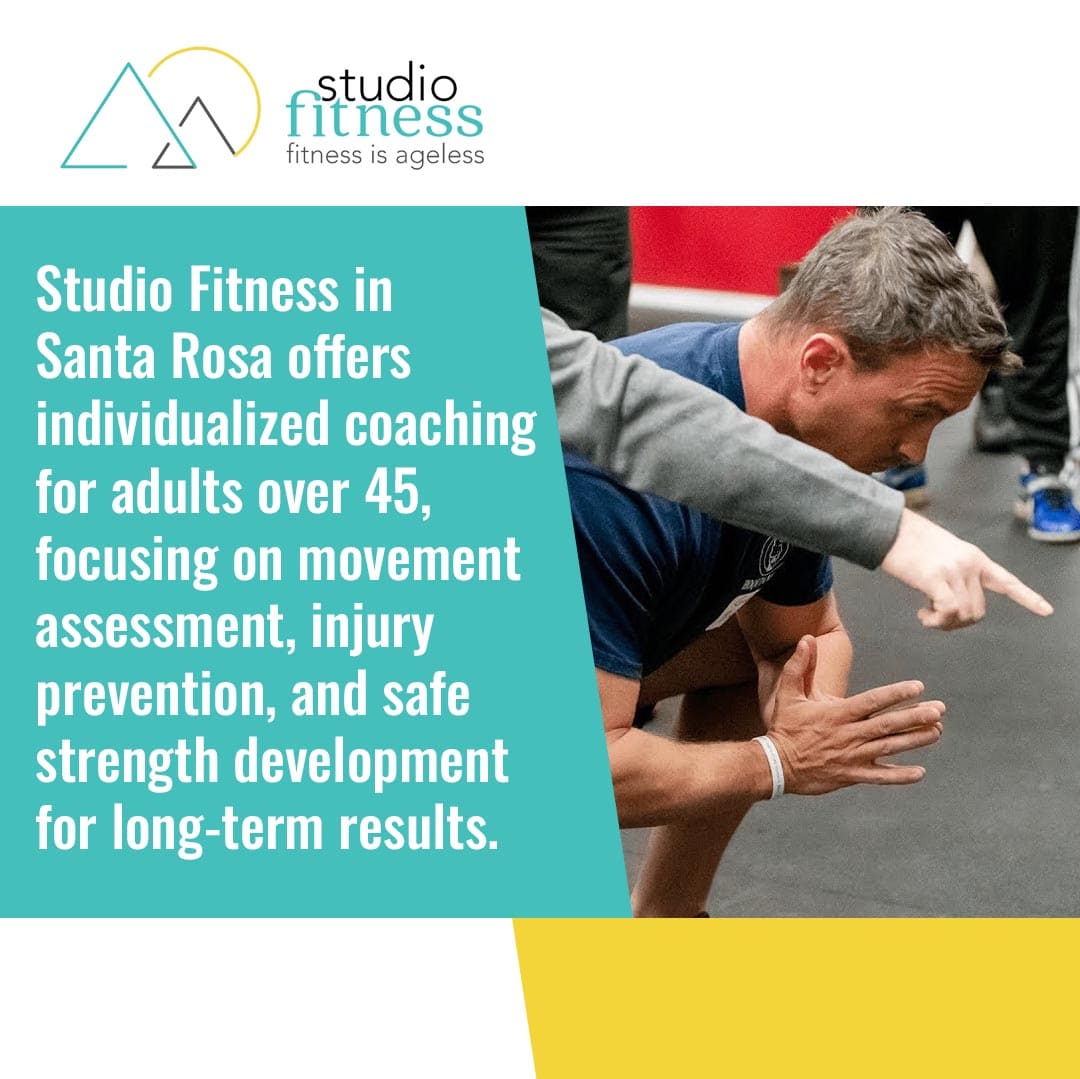
Your initial sessions focus on watching how you move before adding resistance. Trainers observe patterns that reveal how your body compensates for weaknesses or mobility restrictions. This screening reveals issues most people develop over the years without noticing. What trainers assess during your initial sessions:- Walking pattern and standing posture alignment
- Whether one side works harder than the other during basic movements
- Which joints move freely, and which stay restricted
- How you naturally stand up from a chair or reach overhead
- Muscle engagement patterns during simple tasks
- Balance and stability during weight shifts
Form Correction That Prevents Problems Before They Start
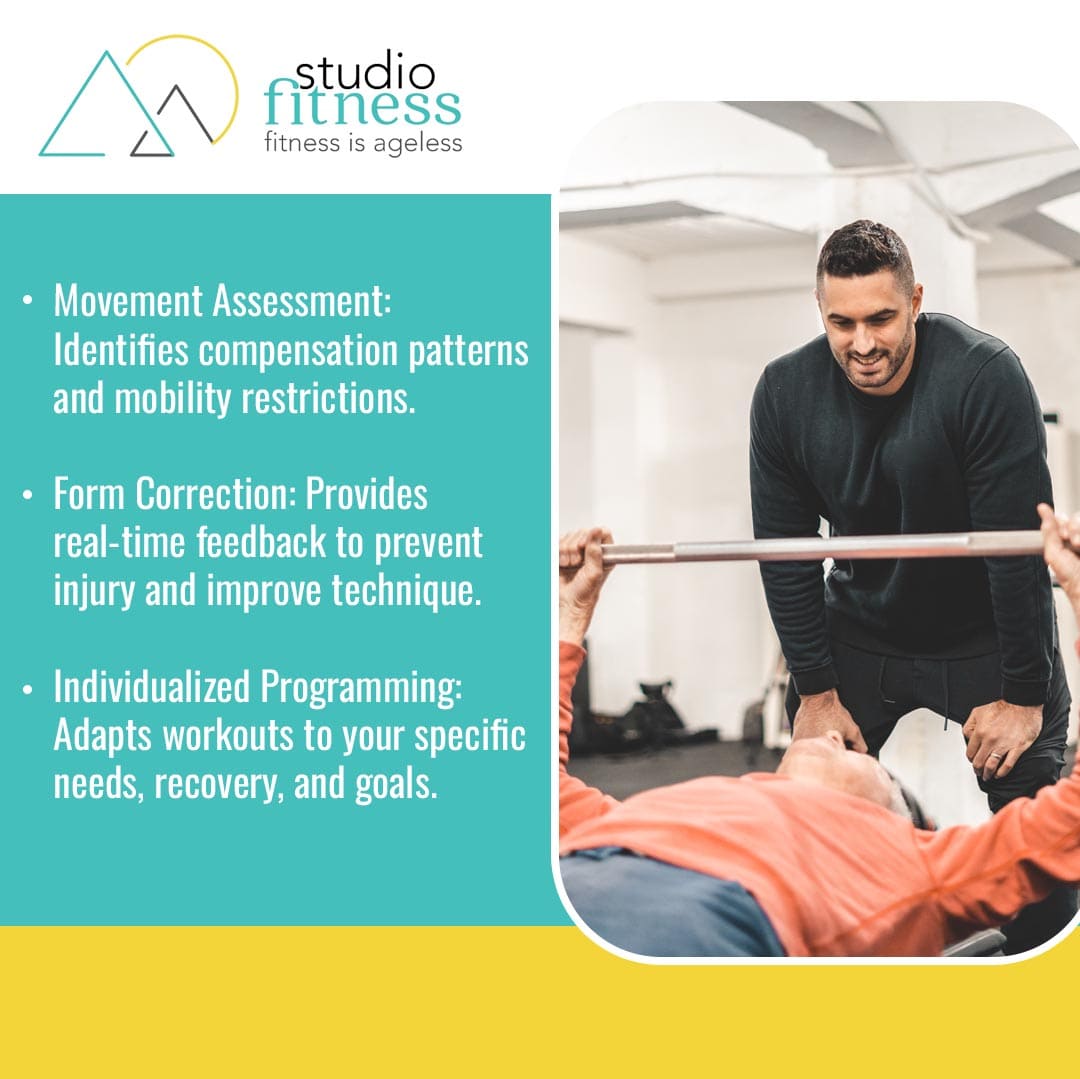
Watching someone lift weights reveals subtle problems that lead to injury over time. Each of these form issues, repeated session after session, creates stress concentrations in tissues that aren't designed to handle those loads. Common form issues trainers correct immediately:- Hips shifting to one side during squats, stressing one side more
- Knees caving inward during lunges, straining ligaments
- Spine rounding under load, compressing discs
- Shoulders are elevated when they should stay stable, straining neck muscles
- Using momentum instead of muscle control to move the weight
- Compensatory movements that appear when fatigue sets in
Programming That Responds to Your Changing Needs
Effective training programs evolve based on how your body responds. Trainers adjust workout difficulty when you mention poor sleep, high stress at work, or unusual soreness from the previous session. They modify exercises when joint discomfort appears and know when to push harder versus when to back off slightly. This adaptability prevents overtraining while keeping you consistent, the real key to long-term results. According to the Centers for Disease Control and Prevention, adults 65 and older need at least 150 minutes of moderate-intensity activity weekly plus muscle-strengthening activities on two or more days. Personal training in Santa Rosa at Studio Fitness applies these guidelines within customized programs that account for your specific recovery needs and life circumstances.| Training Factor | Self-Directed Approach | Professional Training Approach |
| Program adjustment | Guess based on how you feel | Systematic modification based on recovery indicators |
| Exercise selection | Pick what looks interesting | Choose movements addressing specific needs |
| Progression strategy | Add weight when it feels easy | Progress through multiple variables strategically |
| Injury response | Stop training or push through | Modify exercises to work around limitations |
Tracking Improvements That Matter for Daily Life
Strength gains show up in ways that don't appear in mirror selfies. Trainers document changes in movement quality, balance, work capacity, and how you feel during everyday activities. You might notice stairs feel easier, you can garden longer without fatigue, or you're moving with more confidence on uneven ground. These functional improvements matter more than aesthetic changes for most adults focused on maintaining independence. Professional trainers recognize these gains and help you understand that getting stronger isn't just about lifting heavier weights; it's about moving better and feeling more capable.Why Generic Workout Plans Fail (And What Personalized Training Does Differently)
The Problem with One-Size-Fits-All Programming
Most generic workout plans assume you have no injuries, full mobility, average body proportions, and beginner-level strength across all movement patterns. This rarely matches reality for adults over 45. Following standardized programs often leads to pain, frustration, or stalled progress because the programming doesn't account for your individual starting point. Generic plans also lack the feedback loop that personal training provides. When an exercise causes discomfort, you're left guessing whether to push through, modify the movement, or skip it entirely. Without guidance, many people either avoid exercises that challenge them (missing opportunities for improvement) or push through warning signs (risking injury). The cookie-cutter approach ignores that different bodies require different training emphasis. Someone with hip mobility restrictions needs different programming than someone with shoulder stability issues. Generic plans can't provide this individualization.How Trainers Work Around Limitations and Past Injuries
Professional trainers modify exercises to work within your available range rather than forcing your body into movements it can't safely perform. If you have a history of lower back pain, your trainer selects exercises that build spinal support without excessive compression. Previous shoulder surgery might mean avoiding certain overhead positions while developing stability through alternative movements. This adaptation requires knowledge of both exercise biomechanics and injury mechanisms. Trainers know which strength training exercises load tissues in ways that could aggravate existing issues and which movements provide therapeutic benefits for common conditions affecting older adults. Working around limitations doesn't mean accepting reduced capabilities; it means finding the most effective path to improvement given your current state. Many clients discover they can build significant strength while respecting their body's restrictions.Adjusting Based on Recovery, Stress, and Sleep
Training intensity must fluctuate based on factors outside the gym. Trainers adjust workout difficulty when you mention poor sleep, high work stress, or lingering soreness. This flexibility prevents overtraining while maintaining consistency, the foundation of long-term progress.| Factor Affecting Training | How Trainers Adjust |
| Poor sleep (less than 6 hours) | Reduce training volume, focus on technique practice |
| High life stress | Lower intensity, emphasize movement quality |
| Lingering muscle soreness | Work different muscle groups, allow more recovery |
| Joint discomfort | Modify exercises, adjust range of motion |
| Low energy | Maintain session but reduce load and complexity |
How Personal Training Protects Your Long-Term Health
Preventing Compensation Patterns That Cause Injury
Your body excels at finding ways to complete movements even when certain muscles aren't doing their job. These compensation patterns allow you to function day-to-day but create uneven stress distribution that eventually causes injury. Trainers identify and correct these patterns before they lead to problems. Common compensations include overusing your lower back when hip muscles should be working, relying too much on one side during two-legged exercises, or using momentum to move weight your muscles can't control properly. Each compensation creates stress concentrations in tissues that aren't designed to handle those loads repeatedly. Correcting compensation patterns requires awareness of when they're happening and deliberate practice of better movement strategies. Trainers provide both the identification and the corrective exercises that retrain your nervous system.Teaching Habits That Last Decades
The most valuable aspect of personal training extends beyond the sessions themselves. You learn how to warm up properly, recognize productive fatigue versus concerning pain, progress exercises safely, and modify training when circumstances change. This education creates self-sufficiency over time. Many clients work with trainers long-term, not because they need constant supervision, but because ongoing professional guidance provides accountability, program variety, and reassurance that they're training intelligently as their needs evolve. Sustainable training habits are built on the idea that progress comes from consistency, not intensity. Trainers help you develop realistic expectations about what constitutes meaningful improvement and teach you to value small, steady gains over dramatic transformations that rarely last.Identifying Warning Signs Early
Experienced trainers recognize subtle indicators that something needs attention, slight form degradation, unusual fatigue patterns, or minor discomfort that changes your movement quality. Addressing these warning signs early prevents minor issues from becoming injuries that sideline you for weeks or months. This proactive approach to health maintenance becomes increasingly valuable as you age. Small problems that young bodies quickly overcome can become persistent issues for older adults if not addressed promptly. Professional oversight provides an early warning system that self-directed training lacks.Building Resilience Through Intelligent Progression
Long-term physical resilience comes from progressive overload applied intelligently over extended periods. Research published in the Journal of Strength and Conditioning Research demonstrates that strength training is safe for older adults when properly supervised, with one systematic review reporting only one case of shoulder pain among 2,544 participants across 20 studies. In contrast, injuries in unsupervised settings typically stem from poor technique, inappropriate progression, and incorrect exercise selection.| Health Outcome | Supervised Training Benefits | Unsupervised Training Risks |
| Injury rates | Minimal due to form correction and load management | Higher from poor technique and inappropriate progression |
| Program adherence | 65-80% maintain consistent training | 30-40% maintain consistency beyond 6 months |
| Functional improvement | Measurable gains in balance, mobility, strength | Inconsistent or minimal improvement |
| Long-term sustainability | Builds habits and knowledge for decades | Often leads to frustration and quitting |
When Personal Training Makes Sense (And When It Might Not)
Life Stages Where Professional Guidance Matters Most
Certain circumstances make professional guidance particularly valuable. Adults returning to training after years away benefit from assessment and program design that matches their current capabilities. People dealing with new health diagnoses need training and adaptation that works with medical recommendations. Transitioning into midlife and beyond represents a critical period for establishing strength training habits. Muscle loss accelerates after age 50, but proper Santa Rosa strength and conditioning programs prevent or reverse this decline through intelligent progression and personalized coaching. Professional guidance during this transition sets the foundation for decades of continued capability.Working Around Health Conditions
Conditions like arthritis, osteoporosis, diabetes, or previous joint replacements require training modifications that balance safety with the need to build strength. Personal trainers experienced with these populations understand which exercises provide benefits without excessive risk. Many people with health conditions avoid resistance training entirely because they fear causing harm. Professional guidance reveals that appropriate strength training often improves condition management and reduces symptom severity when properly adapted to individual needs.Breaking Plateaus or Rebuilding After Time Off
Progress stalls happen to everyone who trains long-term. Trainers help identify why progress stopped, inadequate recovery, programming that needs variation, form issues limiting load capacity, or simply unrealistic expectations about improvement rates. Returning to training after extended breaks requires careful progression to rebuild strength safely. Trainers prevent the common mistake of resuming previous training intensity too quickly, which often leads to setbacks that extend time away even further.Your First Personal Training Session
The Evaluation Process
Your first session focuses primarily on gathering information rather than intensive exercise. The trainer assesses how you move, identifies limitations or compensation patterns, discusses your health history, and sets goals with you. Movement screening typically includes observing basic patterns like squatting, hinging, pushing, pulling, and core stability. The trainer notes which movements you perform well and which reveal limitations requiring attention. This evaluation approach, used throughout the personal training at Studio Fitness, informs initial program design and establishes baseline capabilities for tracking progress.Questions Your Trainer Will Ask
Expect detailed questions about your health history, including previous injuries, surgeries, medical conditions, and medications. This information helps trainers identify contraindications for certain exercises and understand your risk profile. Trainers also ask about your activity history, previous sports participation, current movement habits, work demands, and daily physical challenges. Knowing your background helps them gauge appropriate starting intensity and select exercises you'll learn quickly versus movements requiring more coaching.Setting Realistic Goals
Professional trainers help establish goals that balance ambition with reality. They explain typical timelines for various adaptations, strength gains, mobility improvements, and skill development, based on your starting point and training frequency. Goal-setting includes both outcome goals (specific capabilities you want to achieve) and process goals (training consistency, form mastery, habit establishment). Process goals often prove more valuable because they focus on behaviors you control.