

Why Strength Training for Seniors Is Different From Traditional Gym Workouts
Bodies after 60 operate under different rules. Muscle tissue doesn't recover as quickly after exercise. Tendons and ligaments lose some of their elasticity, making them more vulnerable to strain. Bone density decreases, particularly in women after menopause, which means loading patterns need careful consideration. The nervous system changes, too. Balance reflexes slow down slightly, and proprioception becomes less sharp without regular practice. This means workouts for seniors require more attention to stability and control than programs designed for younger adults.Joint Considerations and Modified Approaches
Cartilage in joints wears down over decades of use. Many people over 60 have some degree of arthritis, whether diagnosed or not. This doesn't mean avoiding strength work; it means choosing exercises that load muscles while protecting vulnerable joint surfaces. Full-range-of-motion movements with controlled speed often work better than explosive or jerky motions. Recovery between sessions takes longer. A 30-year-old might bounce back from intense training in 24-48 hours. A 65-year-old might need three or four days for the same level of intensity. Good programming accounts for this by adjusting both the training stimulus and the rest periods.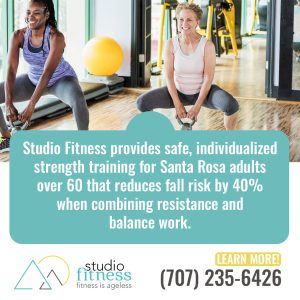
Why Group Classes Often Miss the Mark
Exercise classes for seniors can provide social connection and motivation, but they rarely account for individual limitations. When an instructor tells a room of 20 people to do the same exercise at the same pace, some participants inevitably push too hard while others don't get enough challenge. For older adults, this one-size-fits-all approach often leads to either injury or inadequate results. Classes also move quickly, leaving little time to adjust form or modify movements. If your shoulder doesn't tolerate overhead pressing or your knee needs a different squat variation, you're left trying to improvise while keeping up with the group. An individualized evaluation before starting any program identifies these patterns, so programming can address them from day one.What Makes a Senior Fitness Program Safe and Effective
Safe training starts with knowing where you are right now. A proper senior fitness program begins with an assessment that looks at current strength levels, range of motion in major joints, balance capability, and any movement limitations from past injuries or medical conditions. This creates a baseline that guides programming decisions.Progressive Loading That Respects Current Capacity
Strength builds gradually. A good program adds resistance in small increments as your body adapts. This might mean increasing weight by 2-5 pounds rather than jumping up 10 or 15. It might mean adding one more repetition before increasing the load. The progression follows your adaptation, not an arbitrary schedule. This approach prevents the common mistake of doing too much too soon. Enthusiasm fades quickly when you're too sore to move for a week, or worse, when you strain something that needs weeks to heal. With this individualized progression approach, we ensure in Studio Fitness that each client builds strength at a pace their body can sustain without setbacks.Balance and Stability Integration
Balance isn't a separate skill you train in isolation. Every strength exercise can challenge stability if programmed thoughtfully. Single-leg exercises, asymmetrical loading, and exercises that require core control all build balance while building muscle. This integration matters because real life doesn't separate strength from stability. Working with trainers who have specific education in age-related physiology, common medical conditions affecting exercise, and appropriate program modifications makes a measurable difference. Experience matters too; trainers who've worked with hundreds of older clients have seen what works and what causes problems.How Older Adults Build Strength Without Risking Injury
Speed matters less than control. Lifting a weight slowly requires more strength than using momentum to throw it around. Controlled tempo training keeps muscles working longer during each repetition. This builds strength effectively while reducing joint stress. A typical repetition might take 4-6 seconds for the lifting phase and 4-6 seconds for the lowering phase. This deliberate speed forces muscles to do all the work rather than relying on momentum or connective tissue stretch reflexes.Equipment Selection and Pain Recognition
Free weights, machines, cables, and resistance bands each have appropriate uses. For someone with shoulder issues, a cable system might allow pressing movements that a barbell makes painful. For someone with grip limitations, machines with padded handles work better than dumbbells. Learning to distinguish between productive discomfort and warning signals takes practice. Muscle fatigue creates a burning sensation in the working muscle and resolves quickly after you stop. Harmful pain feels sharp, radiates away from the muscle you're working, or persists after exercise.Recovery Between Sessions
Recovery includes proper nutrition (especially protein intake), adequate sleep, gentle movement on non-training days, and sometimes specific recovery tools like vibration therapy or stretching protocols. Most older adults benefit from 2-3 strength sessions per week with at least one full day between sessions.Which Exercises for Seniors Actually Prevent Falls and Fractures
According to the Centers for Disease Control and Prevention, falls are the leading cause of injury-related deaths among adults 65 and older. However, research demonstrates that proper resistance training considerably reduces this risk. Research shows that exercise programs emphasizing balance and functional training significantly lower fall rates in older adults, with studies reporting about a 23% reduction in falls compared with control conditions.| Training Type | Fall Risk Reduction | Key Benefit |
| Balance exercises alone | 23% | Improved stability |
| Resistance training | 34% | Leg strength for recovery |
| Combined balance + resistance | 40% | Both strength and coordination |
Lower Body Strength Movements
The greatest benefits come from building lower-body strength through squats, step-ups, lunges, and properly loaded deadlifts. These exercises target the same muscles used to recover from a stumble or rise safely from a seated position.Hip and Ankle Mobility for Walking Confidence
Strong muscles need a full range of motion to function properly. Hip flexors, hip rotators, and ankle dorsiflexors all affect walking mechanics. Limited mobility in these areas creates compensations that throw off balance. Mobility work involves controlled movement through the available range of motion, often with light resistance.Core Stability for Balance Support
Core training for older adults focuses on stability, not movement. Planks, bird dogs, and anti-rotation exercises teach the trunk muscles to resist unwanted motion. This stability translates directly to balance because your center of mass stays controlled even when your arms or legs move.What to Look for in Fitness Gyms for Seniors and Training Environments
The environment affects how you feel during training. Loud music, crowded spaces, and fast-paced energy work for some people but overwhelm others. Many older adults prefer quieter environments where they can hear their trainer clearly and focus on movement quality without distraction. When searching for the best gym for seniors near you, the atmosphere should be one of your primary considerations.Equipment and Trainer Experience
Fitness gyms for seniors should have multiple resistance band options, cable systems for variable-angle movements, machines with adjustable settings, and free weights in small increments. This variety allows trainers to modify exercises precisely. Trainers who work primarily with older adults understand common movement limitations, know which progressions work best, and recognize warning signs that younger-focused trainers might miss. Ask potential trainers about their background: How many clients over 60 do they currently work with? What certifications do they hold related to senior fitness?Why Boutique Studios Often Deliver Better Results
Smaller client bases mean trainers know you personally, remember your limitations and preferences, and track your progress carefully. Programming adapts to how you feel each session rather than following a rigid template. The community aspect matters too. When you see the same people each visit and everyone's working on similar goals, accountability and motivation increase naturally. At Studio Fitness, we help clients stay active through this personalized approach with trainers with extensive experience and decades of combined experience working specifically with midlife and older adults. The calm, supportive atmosphere removes the intimidation factor that keeps many people away from larger commercial gyms.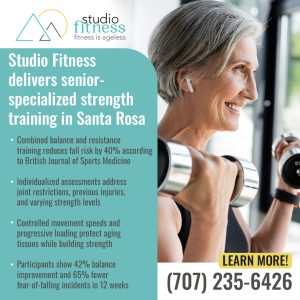
How Often Seniors Should Strength Train for Real Results
Most research supports 2-3 strength sessions per week for adults over 60. This frequency allows adequate stimulus for muscle growth while providing sufficient recovery time. Each session typically runs 45-60 minutes, including warm-up and cool-down.Balancing Strength Work With Other Activities
Strength training shouldn't consume all your exercise time. A balanced week might include:- 2-3 dedicated strength sessions
- 3-4 days of walking or light cardio
- Daily stretching or mobility work (10-15 minutes)
- One complete rest day