
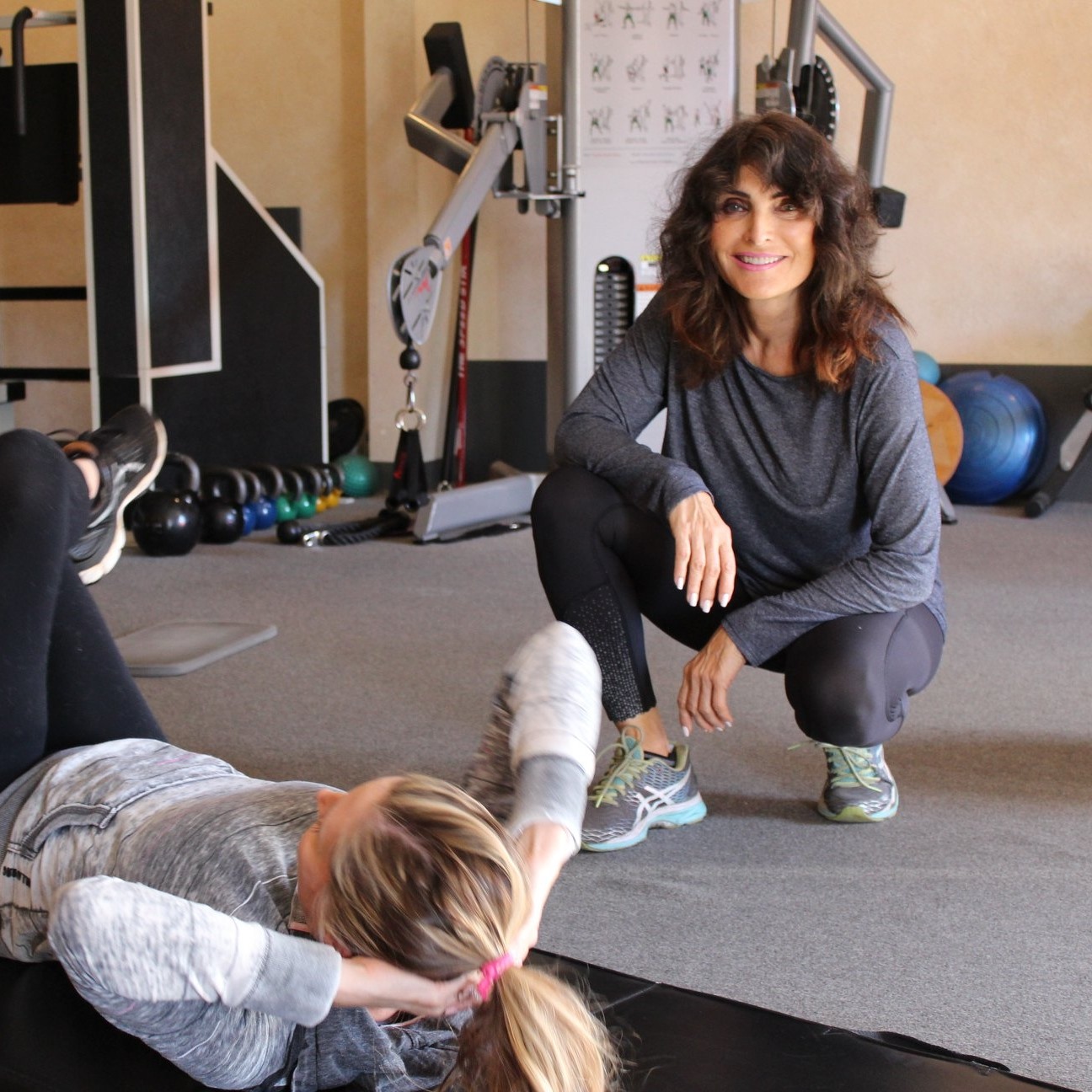
Embarking on a new fitness journey can feel daunting, especially for seniors who might be concerned about safety and effectiveness. Strength training is a powerful tool for enhancing quality of life, boosting independence, and maintaining vitality as we age. At Studio Fitness Santa Rosa, we emphasize the importance of feeling strong and capable at any age, and strength training for seniors is a key part of that mission. Whether you are new to exercise or returning after a hiatus, understanding the basics can set you up for success.
In this guide, we will explore essential considerations for seniors beginning a strength training regimen. From understanding the benefits to knowing how to start safely, this post aims to equip you with the knowledge needed to confidently step into a stronger, healthier phase of life.
The Benefits of Strength Training for Seniors
Strength training brings numerous advantages, particularly for older adults. This form of exercise helps build muscle mass, increase bone density, and improve overall strength, which are critical for maintaining independence and reducing the risk of injury. Let's delve into some of these benefits in more detail.
Enhancing Muscle Mass and Bone Density
As we age, muscle mass naturally decreases, a condition known as sarcopenia. Strength training can counteract this decline, helping you maintain muscle strength and function. Increased muscle mass also supports bone health by applying stress to the bones, which encourages bone density improvements. This is particularly important for preventing osteoporosis and fractures.
- Real-world Example: Consider Jane, a 68-year-old who started strength training. Within a few months, she noticed an improvement in her ability to carry groceries and perform daily tasks without fatigue.
Improving Balance and Coordination
Balance is a crucial aspect of senior fitness. As strength training enhances muscle function, it naturally contributes to better stability and coordination. Engaging in exercises that focus on this, such as specific mobility and balance training activities, can significantly reduce the risk of falls.
- Real-world Example: Tom, a 72-year-old, found that incorporating balance exercises into his routine helped him feel more secure when walking on uneven surfaces or climbing stairs.
Boosting Mental Health and Cognitive Function
Physical activity, including strength training, has been shown to have positive effects on mental health. Exercise releases endorphins, which can enhance mood and reduce feelings of depression or anxiety. Additionally, engaging in complex exercises that require coordination can support cognitive function and mental sharpness.
- Real-world Example: Susan, aged 70, reported feeling more alert and energetic after starting a strength training program, which also helped her manage stress more effectively.
How to Start Strength Training Safely
Safety is a top priority when beginning any new fitness routine, especially for seniors. Here are some practical steps to ensure you start your strength training journey on the right foot.
Consult with Your Healthcare Provider
Before starting a new exercise regimen, it's wise to consult with your healthcare provider. They can provide personalized advice based on your medical history and current health status. This step is crucial for identifying any limitations or modifications needed to ensure a safe experience.
- Real-world Example: After consulting her doctor, Linda, 65, discovered she needed to avoid certain exercises due to a shoulder injury. Her doctor recommended modifications that allowed her to participate without discomfort.
Consider Personal Training Sessions
Working with a professional can provide valuable guidance and support. Personal training sessions tailored to seniors can help you learn proper techniques, set achievable goals, and progress safely. At Studio Fitness Santa Rosa, our trainers are experienced in working with older adults and understand the unique considerations involved.
- Real-world Example: Bob, 75, credits his success in strength training to his trainer, who designed a personalized program that respected his pace and encouraged steady progress.
Start with Basic Exercises
Begin with simple exercises that use your body weight or light resistance bands. Focus on form and gradually increase the intensity as you become more comfortable. This approach helps prevent injury and allows your body to adapt to new demands.
- Real-world Example: Mary, 69, began her journey with basic exercises like wall push-ups and seated leg lifts, eventually advancing to more challenging routines as her confidence grew.
Setting Realistic Goals and Tracking Progress
Setting clear, attainable goals is essential for maintaining motivation and tracking improvement. Whether your aim is to enhance daily function, participate in a specific activity, or simply feel better, having a goal can guide your journey.
Define Your Objectives
Consider what you want to achieve with your strength training program. Goals can range from improving flexibility to increasing strength or enhancing endurance. Be specific and realistic about what you can accomplish within a certain timeframe.
- Real-world Example: Helen, 67, set a goal to improve her mobility to join her grandchildren on hikes. With focused training, she noticed significant improvements in her stamina and flexibility.
Track Your Progress
Keeping a record of your workouts and achievements can be incredibly motivating. Track aspects such as the types of exercises, weights used, repetitions, and any physical changes you notice. This not only highlights your progress but also helps adjust your routine as needed.
- Real-world Example: Richard, 70, kept a journal detailing his workouts and noted his progress in endurance and strength, which encouraged him to continue pushing his limits safely.
The Importance of Recovery and Nutrition
Recovery and proper nutrition are vital components of any fitness regimen, especially for seniors. They ensure your body can repair itself and function optimally, helping you reap the full benefits of your efforts.
Prioritize Recovery
Allowing adequate time for recovery is crucial. Older adults may require more rest between workouts to recover fully. Incorporating recovery and specialized therapies like recovery vibration therapy can aid in reducing soreness and enhancing recovery times.
- Real-world Example: After adding recovery sessions to his routine, Victor, 71, experienced less muscle fatigue and was able to maintain a consistent workout schedule.
Focus on Nutrition
A balanced diet rich in protein, healthy fats, and carbohydrates fuels your workouts and supports muscle repair. Consider engaging in fitness nutrition coaching to tailor your dietary habits to your specific fitness goals.
- Real-world Example: Alice, 66, worked with a nutrition coach to optimize her diet, which not only boosted her energy levels but also supported her muscle-building efforts.
Conclusion
Starting a strength training program as a senior is a step towards a healthier, more independent lifestyle. By understanding the benefits, starting safely, setting realistic goals, and prioritizing recovery and nutrition, you can build a strong foundation for long-term success. At Studio Fitness Santa Rosa, we are committed to supporting you on this journey with tailored programs and expert guidance. Ready to begin? Join us and discover how strength training can transform your daily life.